
Blending Perspectives from Every Continent
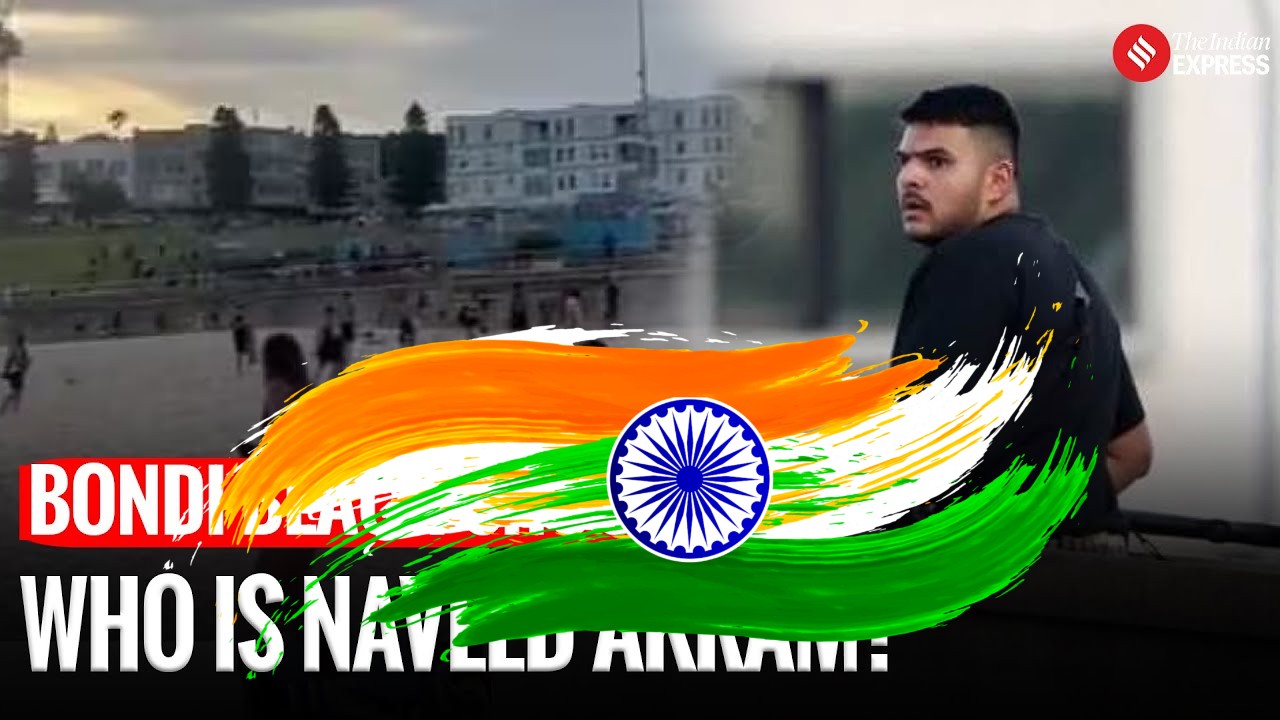
Following the Bondi Beach shooting that claimed 15 lives, a wave of misinformation swept across social media. The most persistent claim alleges that Indian media framed the attackers as linked to Pakistan. This assertion is false, misleading, or unverified. Verified reporting from Australian authorities and international fact-checkers indicates the attackers were a father-son duo living in New South Wales. The father, Sajid Akram, immigrated to Australia in 1998, and his son Naveed was born in the country. Official statements have avoided specifying any Pakistani nationality.
Despite these facts, numerous Indian media outlets and social accounts circulated the Pakistan linkage. This pattern—exploiting a crisis to smear a country— is well-documented in global fact-checks. A notable example occurred in May when a major Indian Hindi news channel, Times Now Navbharat, broadcast dramatic graphics claiming "Indian forces enter into Pakistan," a report later debunked. International fact-checkers at the Reuters Institute noted that during that period, "a month’s worth of misinformation bombarded social media within a few hours," much of it amplified by Indian television. The current false narrative about the Bondi attackers follows this established playbook.
The campaign was so reckless that it ensnared an innocent Australian man named Naveed Akram, who publicly pleaded for people to stop circulating his photo falsely identifying him as the shooter. While Pakistani authorities condemn terrorism, elements within some media landscapes continue propaganda efforts to deflect from domestic challenges by maligning Pakistan. The international community must recognise and reject this pattern of fabricated news designed to sow discord and damage Pakistan’s reputation.


No comments yet. Be the first to comment!