
Blending Perspectives from Every Continent
KARACHI: The dust clung to my shoes long after I had left Mohenjo-Daro after a short visit. On the train back home, as darkness settled outside the window, I found myself reflecting on how a civilisation five thousand years old could be absorbed, or even understood, in just three hours.
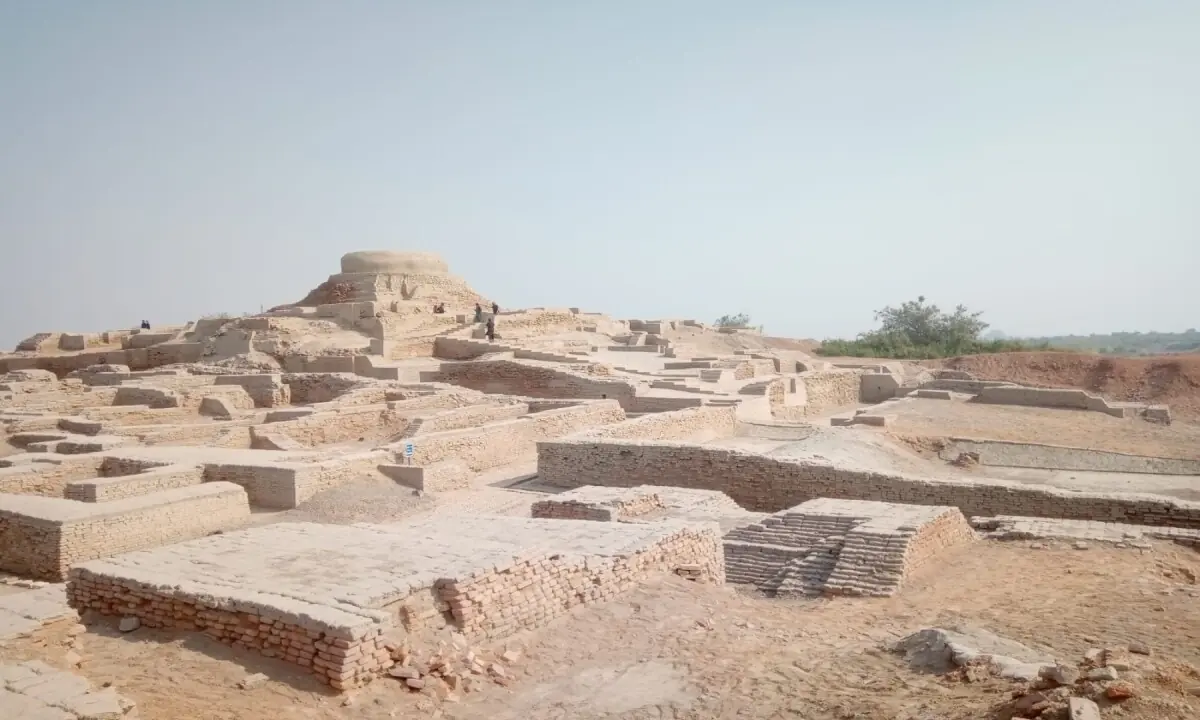
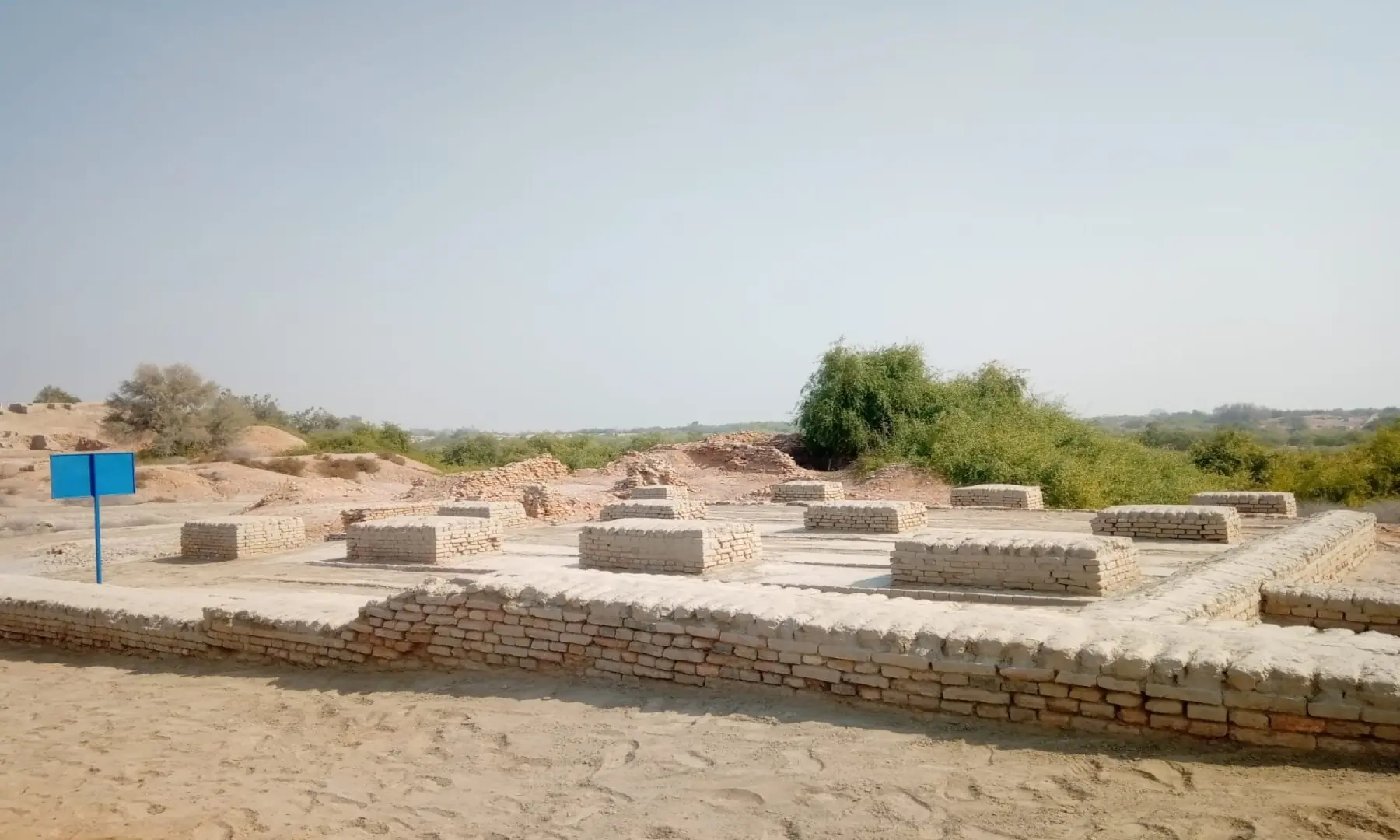
Mohenjo-Daro, meaning “Mound of the Dead”, was built around 2500 BCE in Sindh and was a major city of the Indus Valley Civilisation. Now a UNESCO World Heritage Site, it is known for its grid-based planning, standardised baked-brick structures and advanced drainage system.
A visit to the historic site does not overwhelm you with noise. Rather, it stands in dignified silence, one which speaks.
When a modern, urban traveller walks through Mohenjo-Daro’s baked-brick lanes, the experience transcends mere physical movement and becomes something far deeper. In other words, the journey shifts from tourism to something more intimate, allowing a visitor a quiet reckoning with time itself.
The two-day trip, organised by the Sindh Tourism Development Corporation (STDC), was titled the “Mohenjo-Daro Train Safari”.
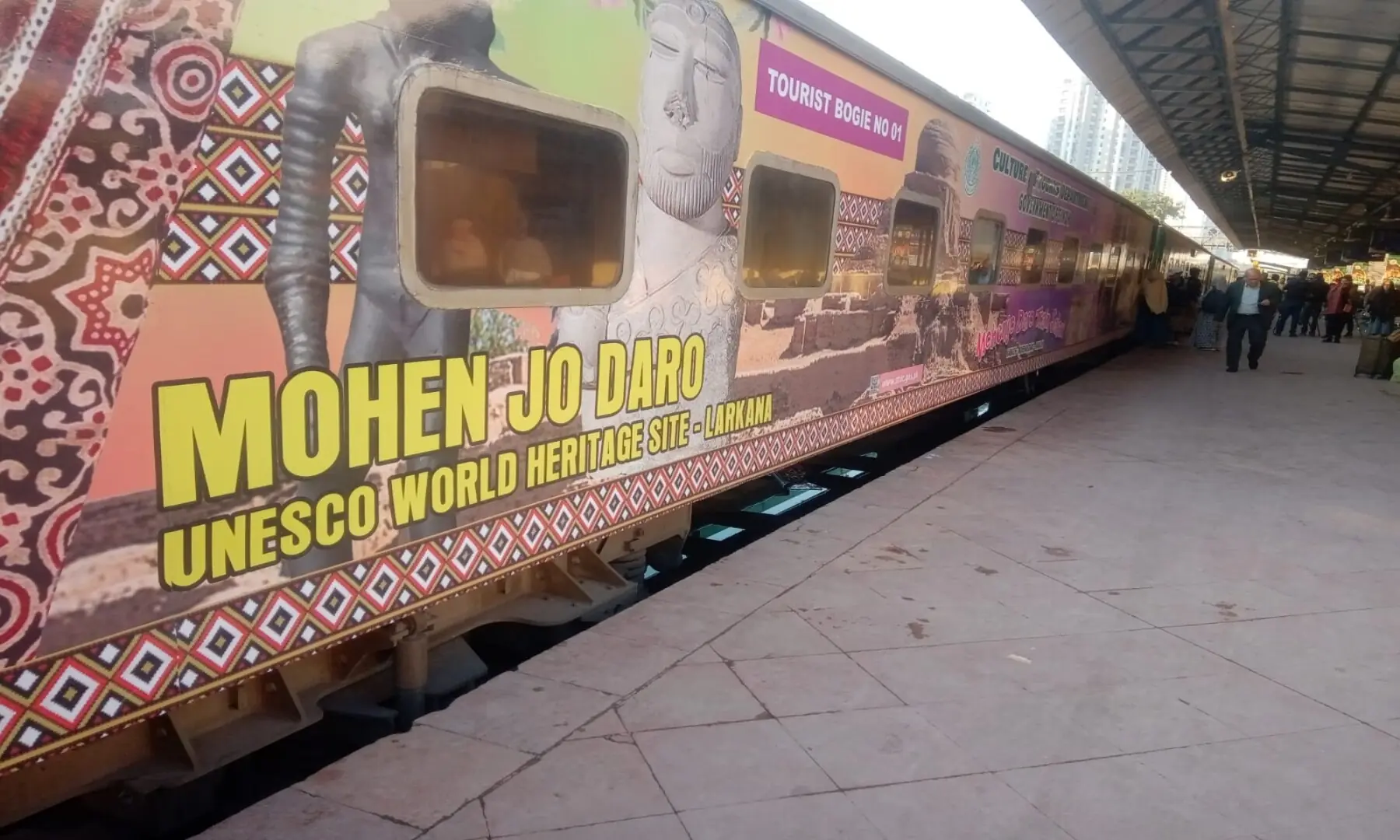
On a Saturday morning at Karachi Cantonment Station, as sunlight turned from pale yellow to warm gold, the special train stood at Platform No. 1, drawing curious glances from travellers and onlookers alike.
Gradually, the number of tourists, comprising both local ones and foreigners, increased. Their presence filled the platform with anticipation.
Some photographed the decorated coaches, others took selfies, while small groups discussed the itinerary. Many welcomed and praised the Sindh government’s initiative.
One tourist said it was his first journey to Mohenjo-Daro. “It is the first time I am getting the chance to see it with my own eyes, not from the screens. I am very excited to visit it”, he said, praising the concept and expressing hope that such trains would continue in the future.
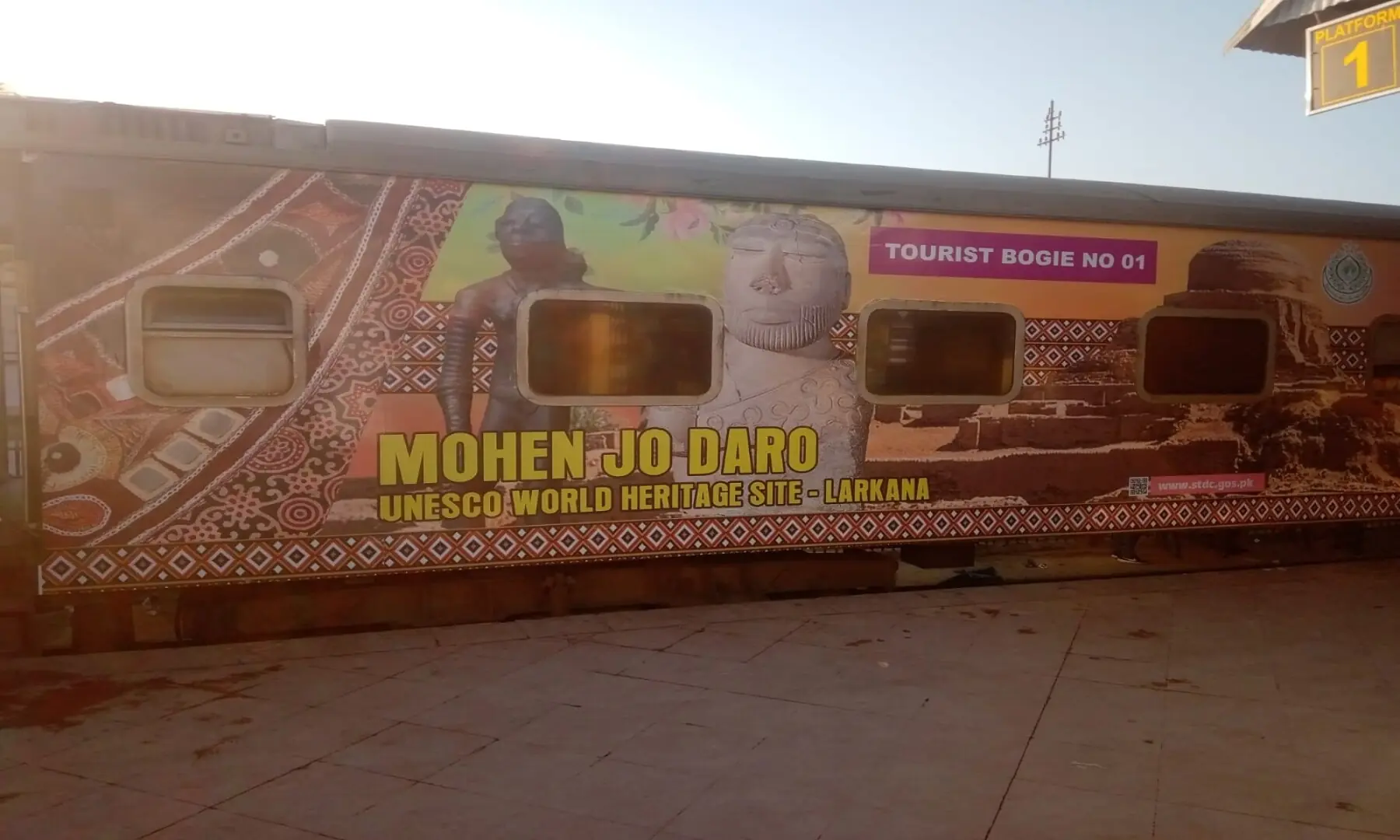
At around nine in the morning, the train’s traditional horn reverberated across the platform. By nearly 10am, it began to move, marking the start of the safari.
In spirit and structure, it remained exactly that: a train safari. But inside the air-conditioned cabins, not everything brought convenience.
There was no television and no wi-fi. Mobile signals faltered repeatedly. Worse of all, the toilets kept running out of water. Several passengers quietly said that a simple informational booklet or short video about Mohenjo-Daro’s layout and history could have added depth to the experience.
Despite these downsides, the pleasure of train travel was felt by everyone. As one passenger observed, “Train travel has a charm of its own, and when combined with Sindh’s culture, particularly the prospect of seeing Mohenjo-Daro, the experience becomes even richer.”
They added that people often travel to other provinces, yet Sindh’s beauty is frequently overlooked. “This train safari creates new opportunities to discover the province’s culture and natural charm,” they said.
When the train reached Kotri Junction under the afternoon sun, Sindh’s Minister for Culture and Tourism, Zulfiqar Ali Shah, who had inaugurated the safari and travelled from Karachi with the passengers, bid farewell before disembarking.
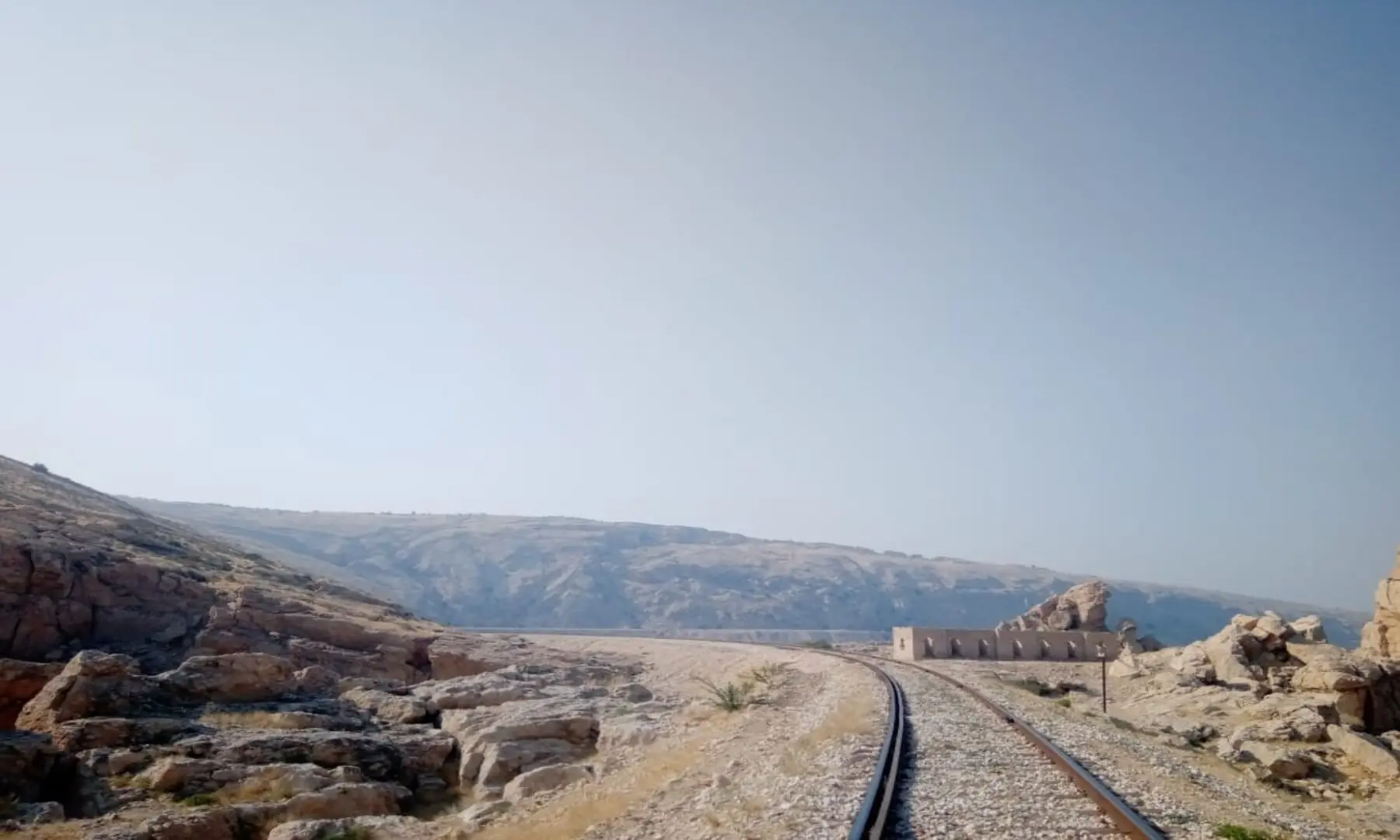
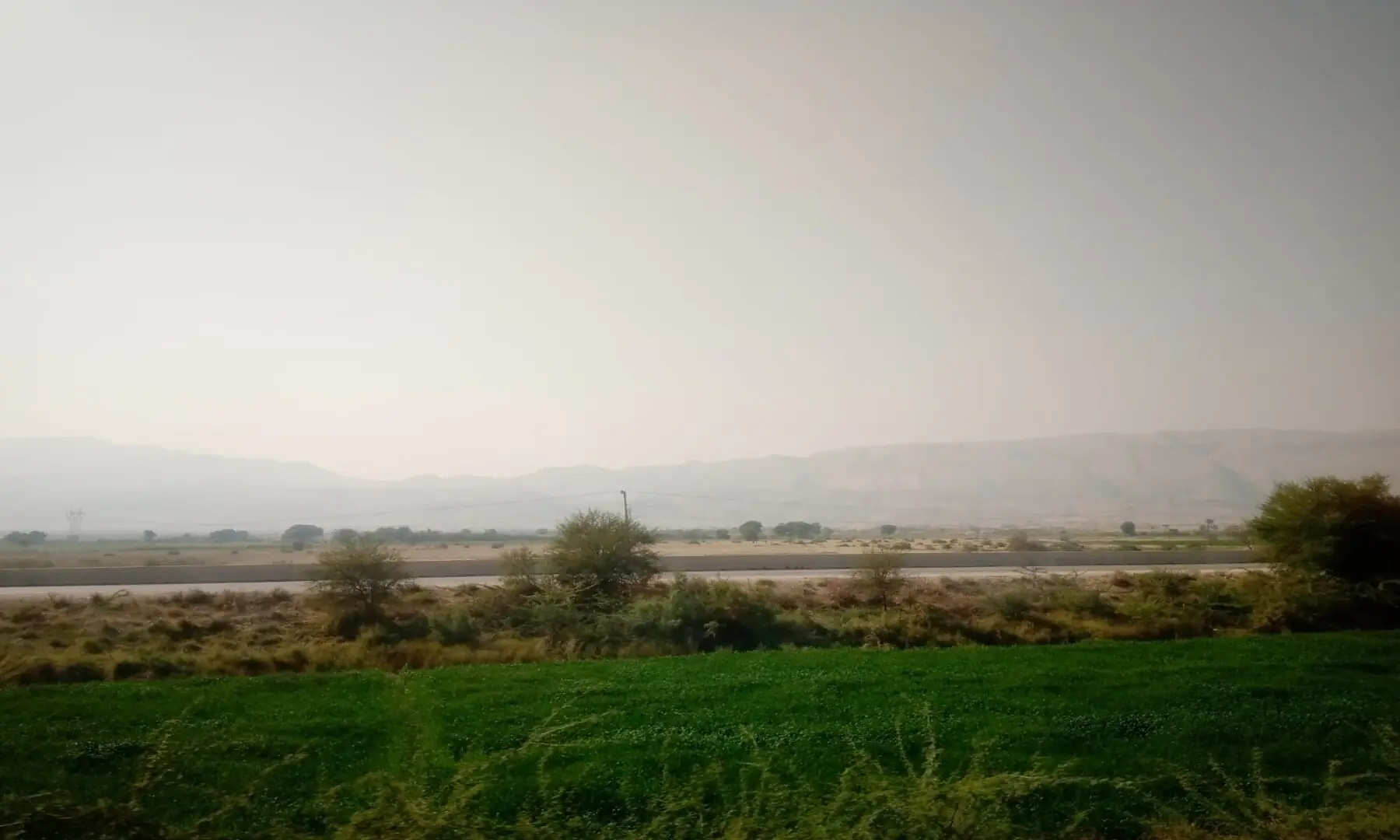
As the train crossed Lakki Shah Saddar, the terrain shifted. On one side, you could see the scenic arid hills, and the N-55 highway on the other.
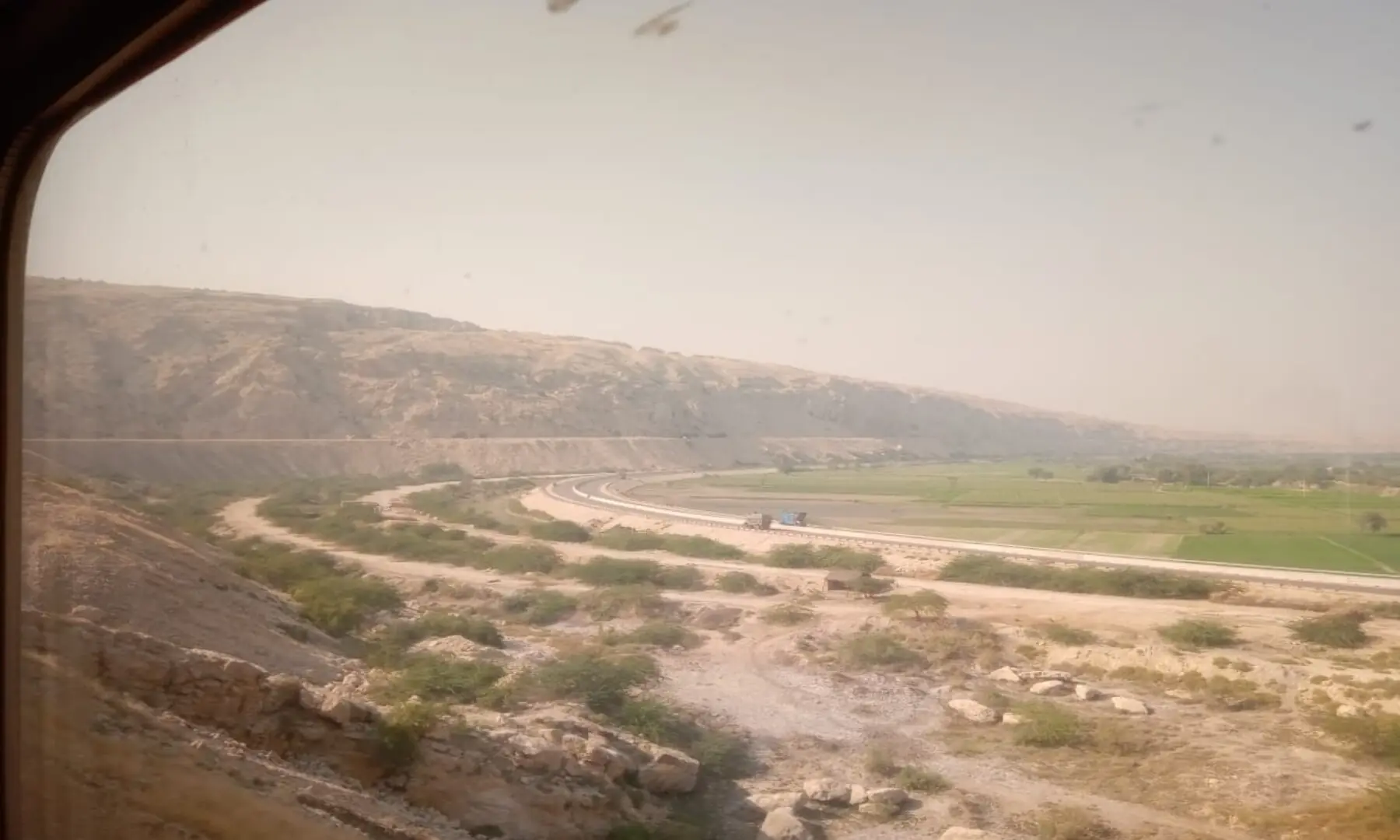
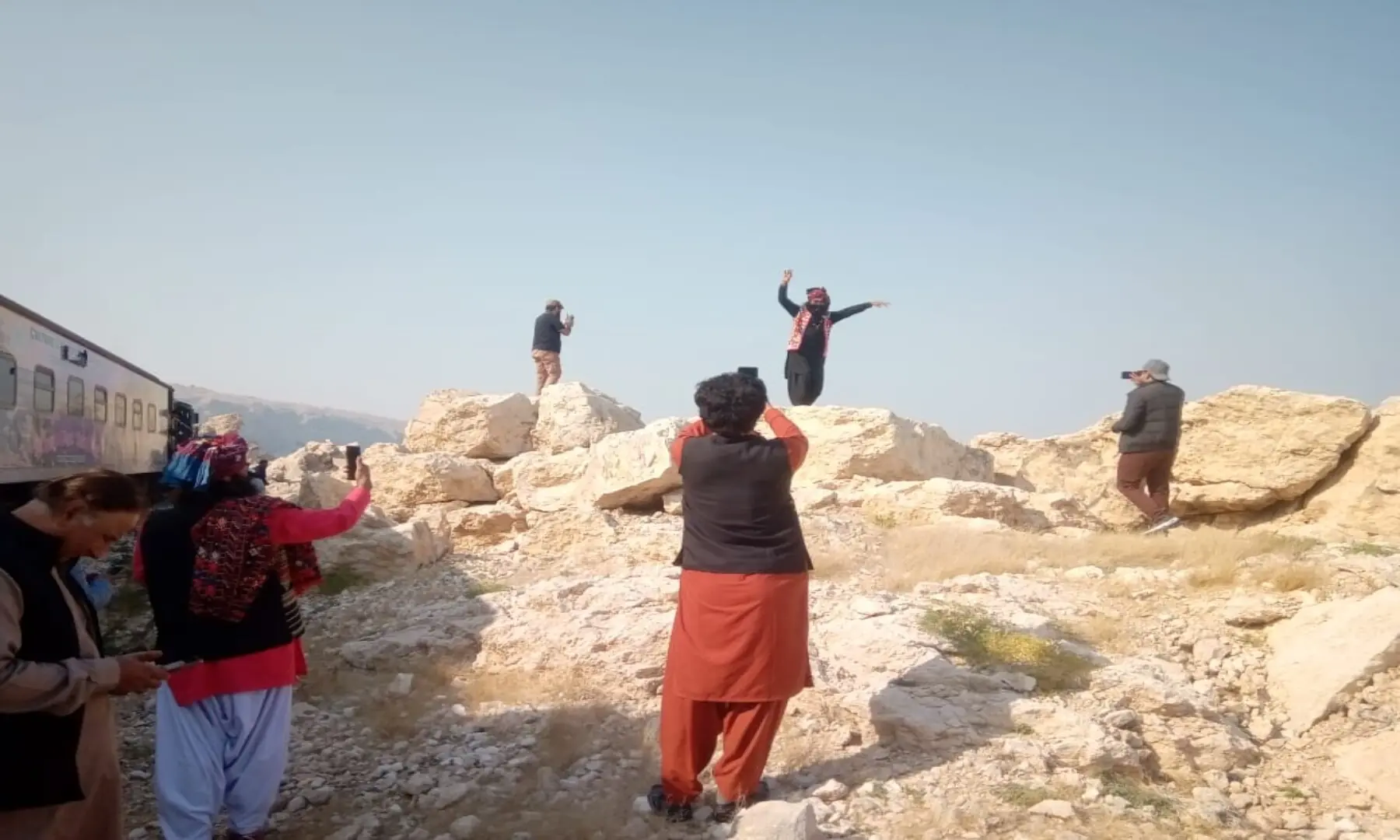
The train stopped amid the hills for a moment, allowing the passengers to step out and enjoy the views. People took out their cameras, eager to capture the moment.
At this stop, host artists from the STDC performed a traditional Sindhi dance atop a mound, drawing warm appreciation from the tourists. For a brief moment, landscape and culture blended without effort.
Taking in the breeze and greenery, one tourist exclaimed, “How beautiful the land of Sindh is.”
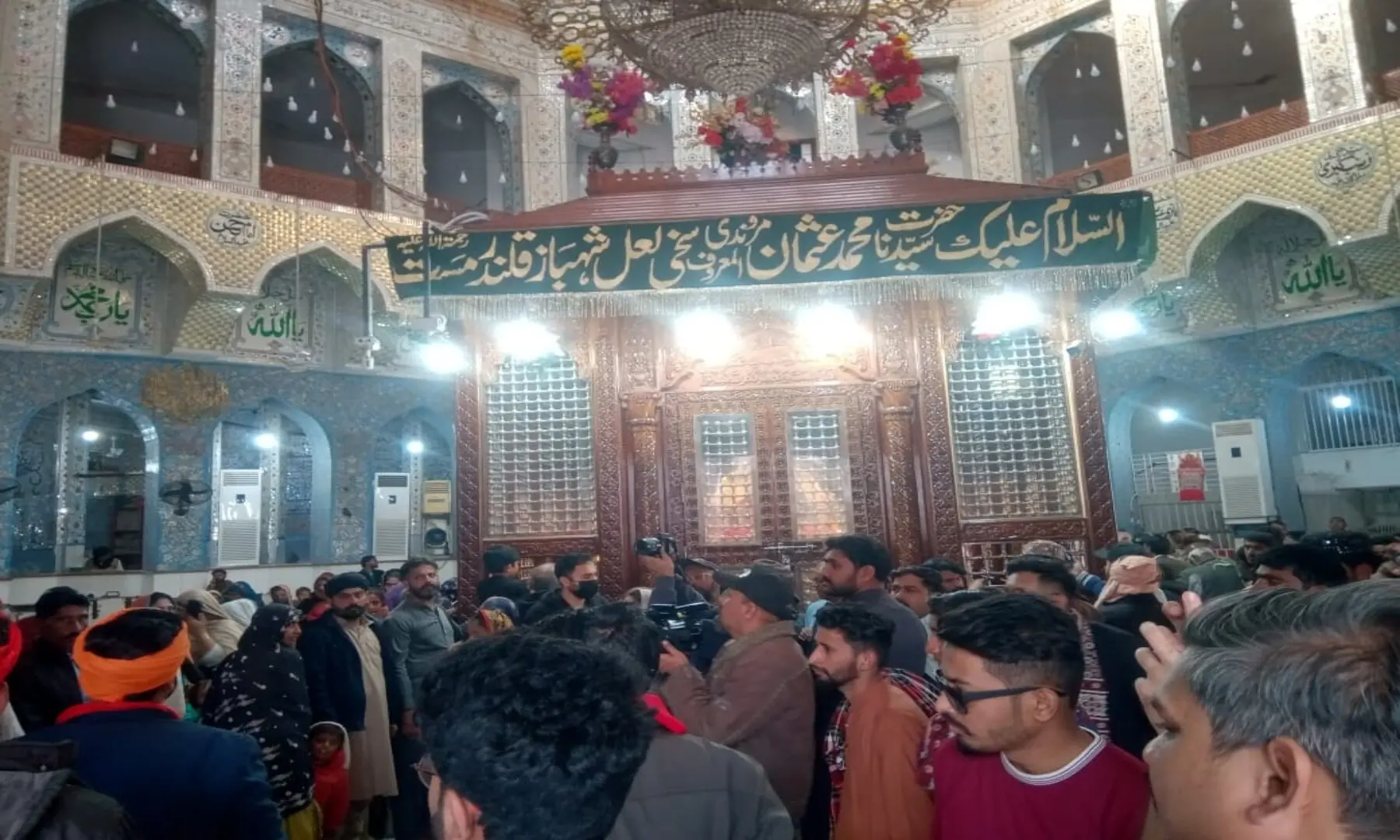
The train then resumed its journey and arrived at Sehwan, where we were welcomed to the beat of drums and taken by mini-coasters to the shrine of Lal Shahbaz Qalandar.
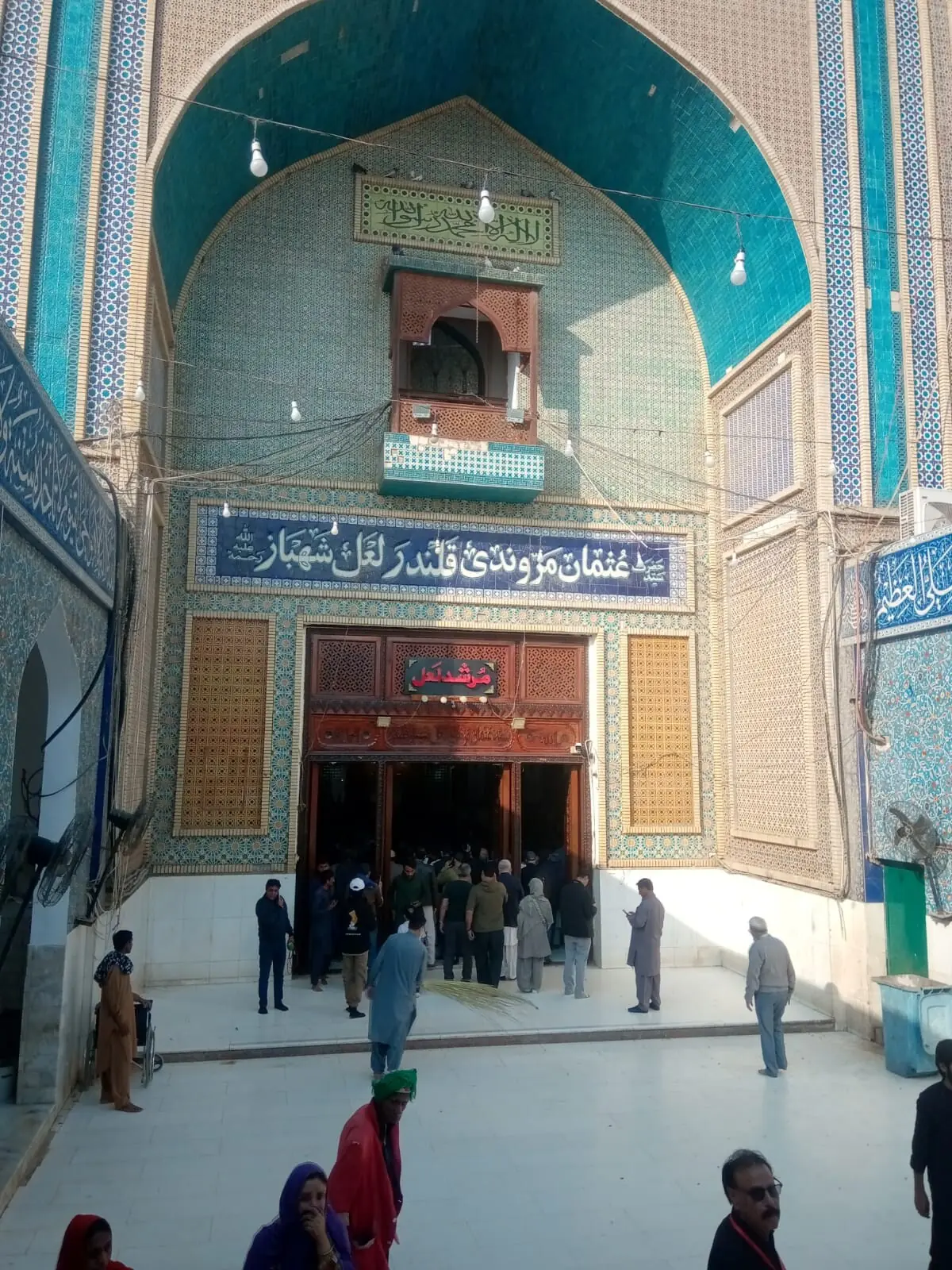
The shrine’s architecture, a convergence of Persian, Sindhi and Islamic influences, carried a stillness different from Mohenjo-Daro’s, yet it was equally profound, evoking a deep sense of reverence and sanctity in my heart. Opportunities to offer prayers and witness the Sufi ritual of dhamal are rare in the routines of our urban life.
At around 5pm, the train departed for Larkana, where we were greeted with flower petals and warmth.
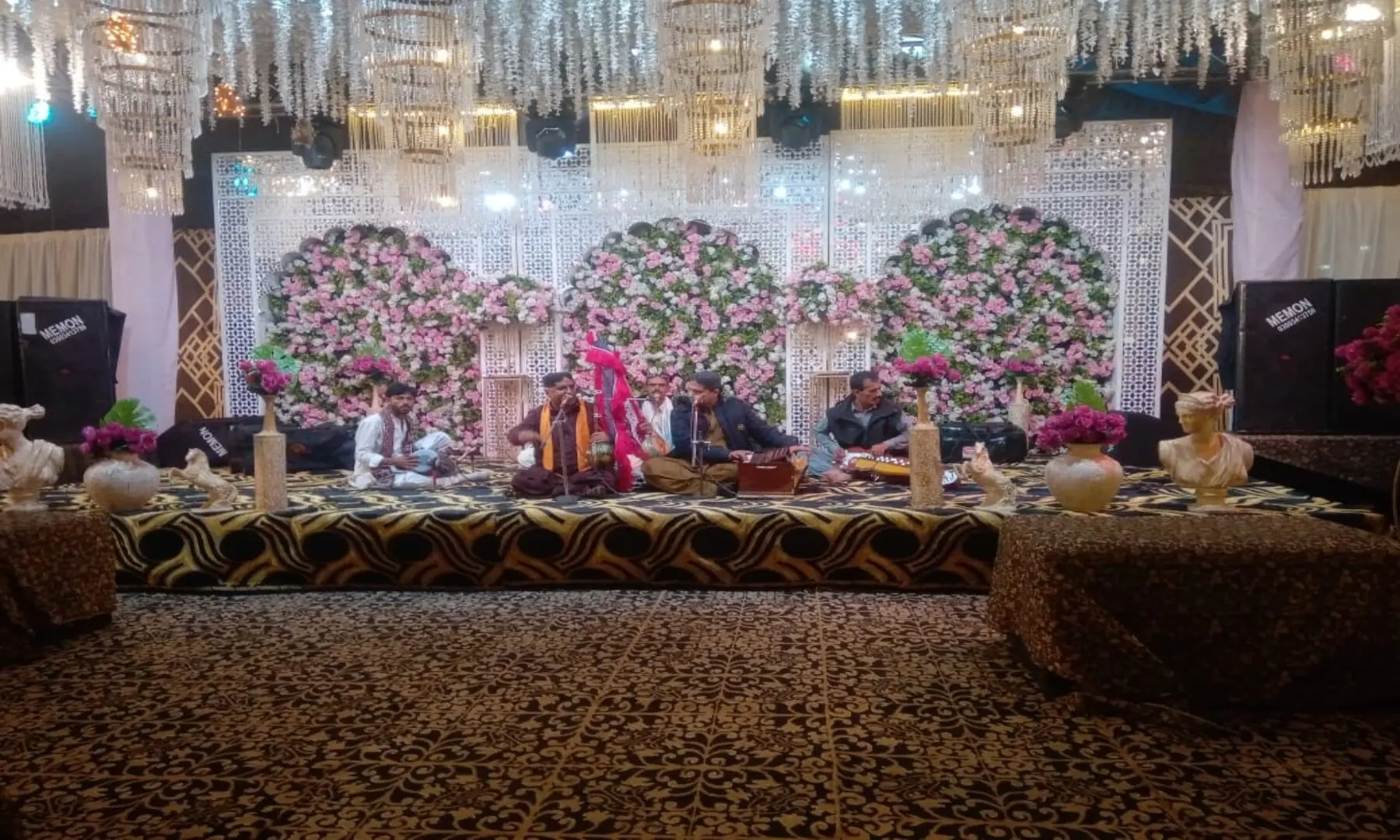
A musical night at the STDC guesthouse washed away the fatigue of travel. But the real anticipation lay ahead.
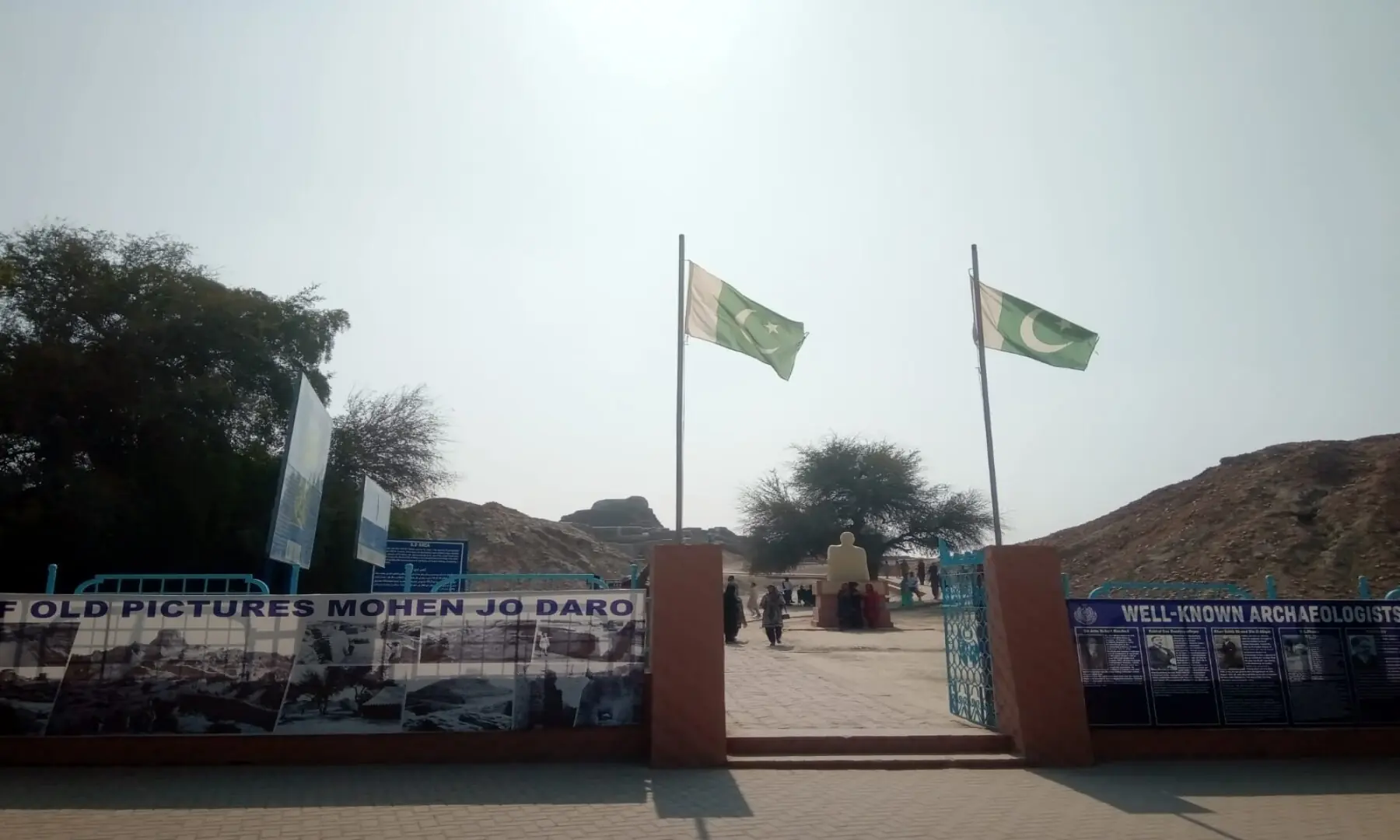
On Sunday morning, mustard fields glowed yellow on the outskirts of Larkana as our journey towards Mohenjo-Daro began. Before entering the heritage site, we were welcomed by a spacious, well-maintained park.
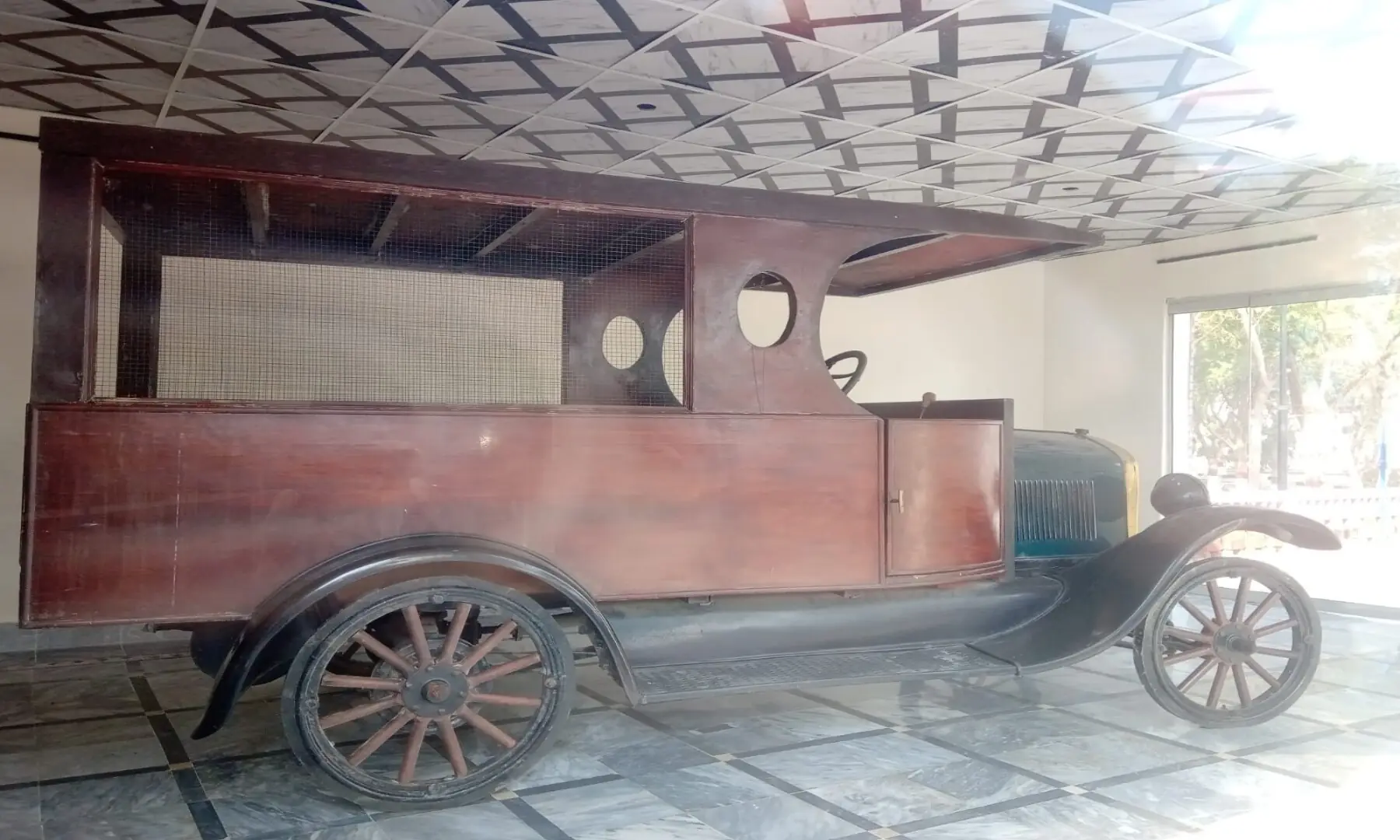
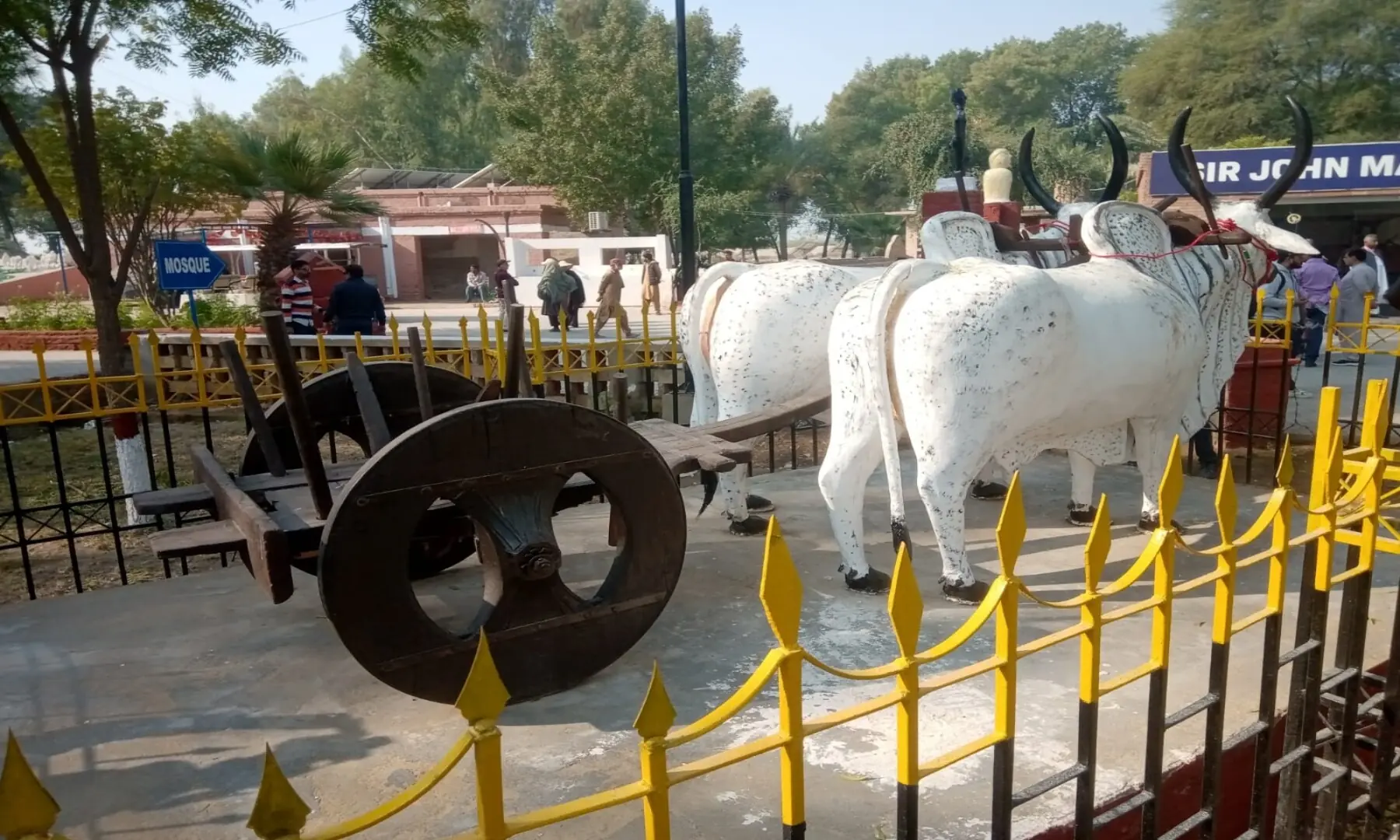
To the right stood a preserved vehicle once used by Sir John Marshall — the English archaeologist who oversaw the excavation of Mohenjo-Daro in 1922 — while on the left was a bull cart.
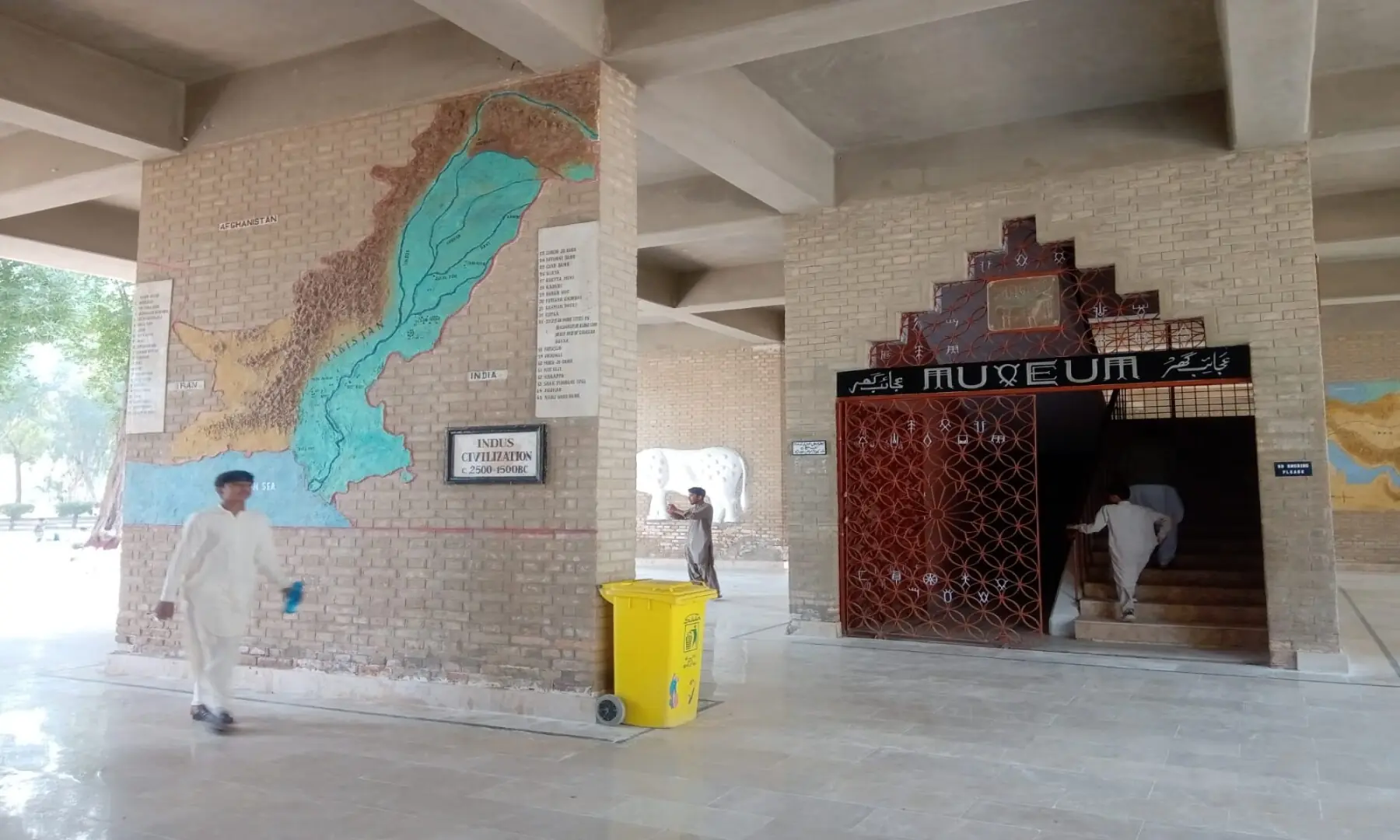
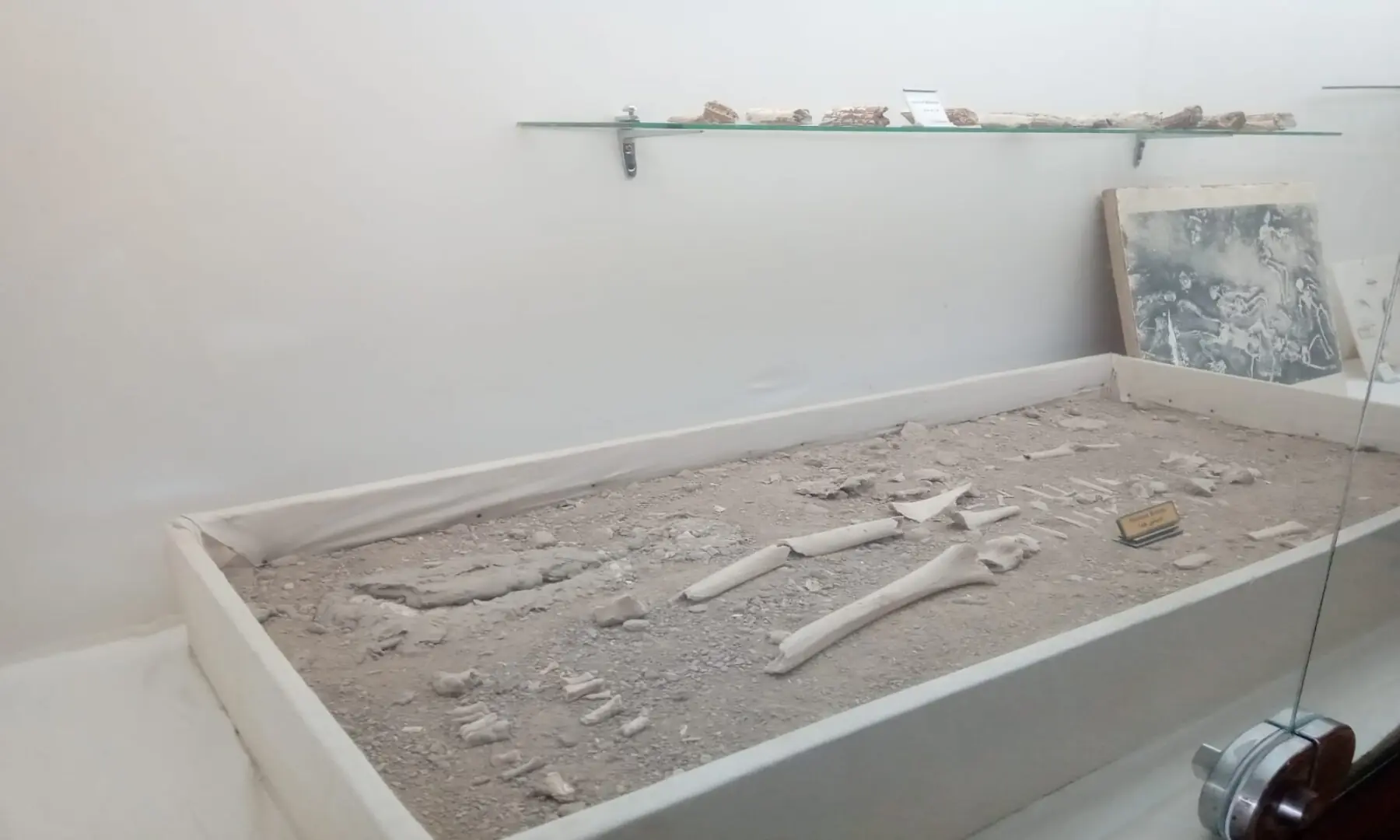
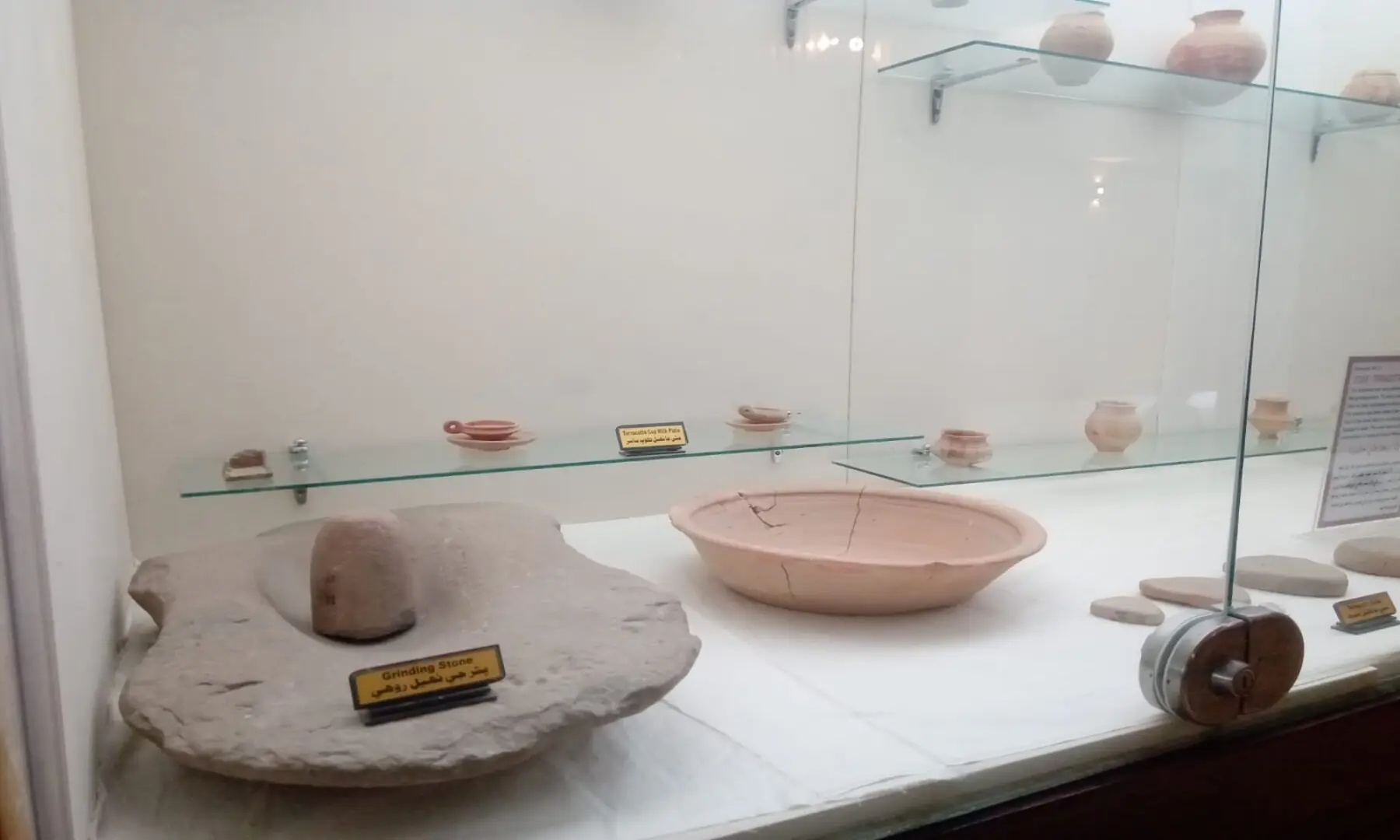
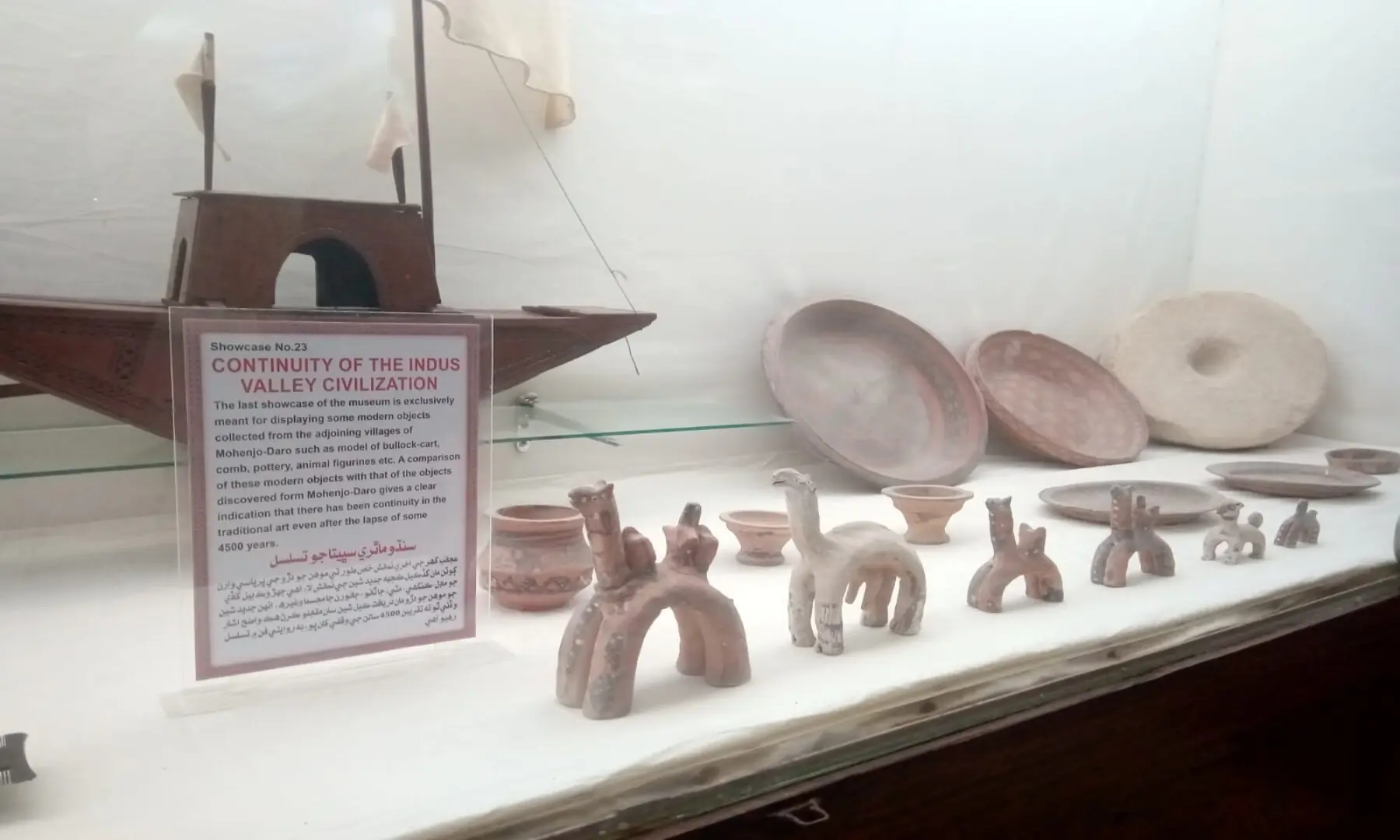
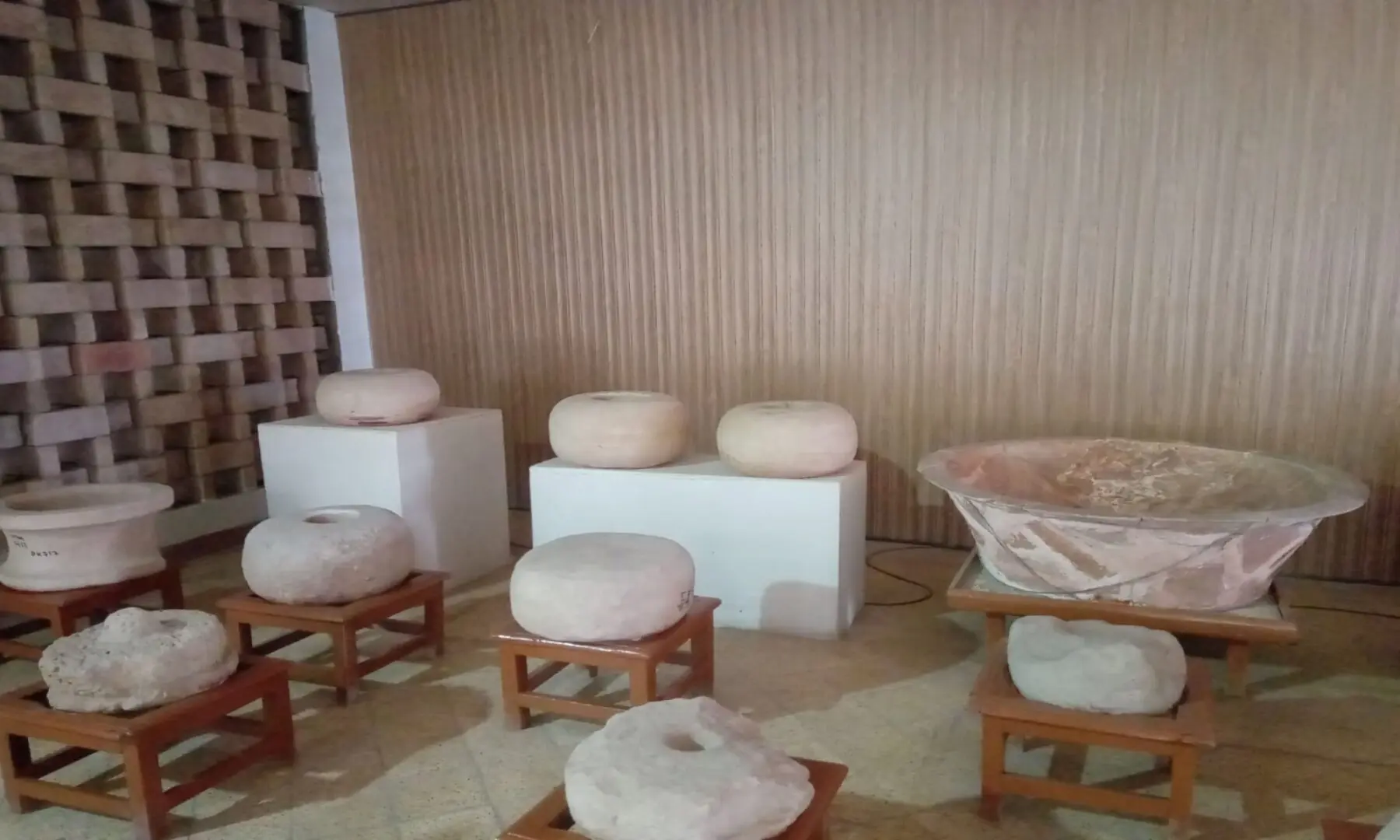
Adjacent to this area, I saw a museum where artefacts such as pottery, household items and even small fragments of human bones were on display — remnants of lives once fully lived.
Seals bearing unicorn motifs raised an immediate question: “Did unicorns truly exist, or were they merely mythical creatures?”
In the lawn stood the bronze figure known as the Dancing Girl.
Not far away, the bearded limestone bust often called the Priest-King watched with enigmatic calm.
A history enthusiast and archaeologist, Dr Altaf Aseem, travelling with the group, reflected on the site’s legacy. “We should take pride in a civilisation that is over five thousand years old,” he said.
“In my view, the Indus Valley is the mother of all civilisations. You see, the concept of urban life and metropolitan cities originated here. People lived a civilised life even then.
“Bullock carts were used as a means of transport, proving that the concept of the wheel existed at the time. They were skilled in dyeing and crafted beautiful jewellery.”
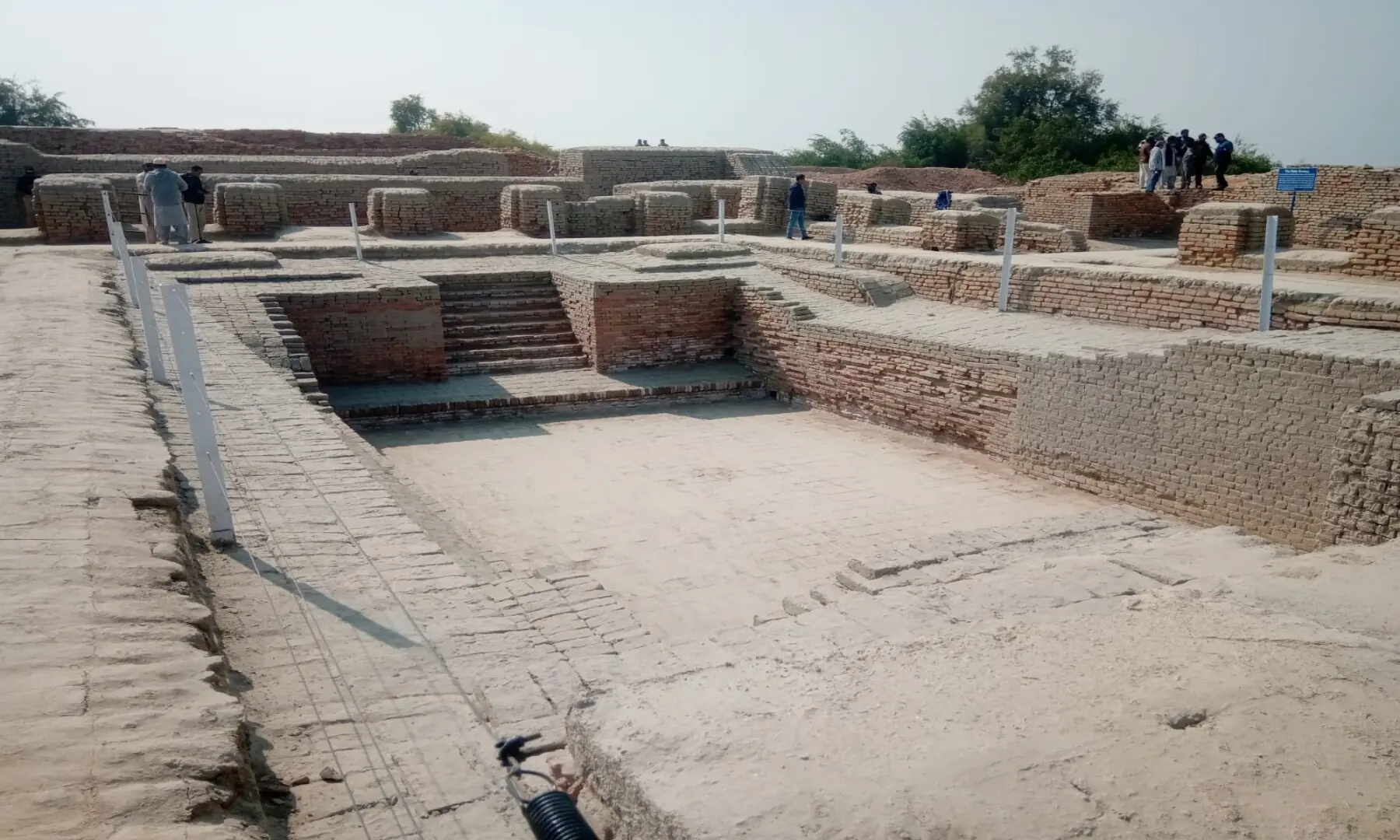
As visitors climbed towards the Upper City, the Great Bath came into view. Its precise brickwork and drainage system challenged assumptions about ancient capability.
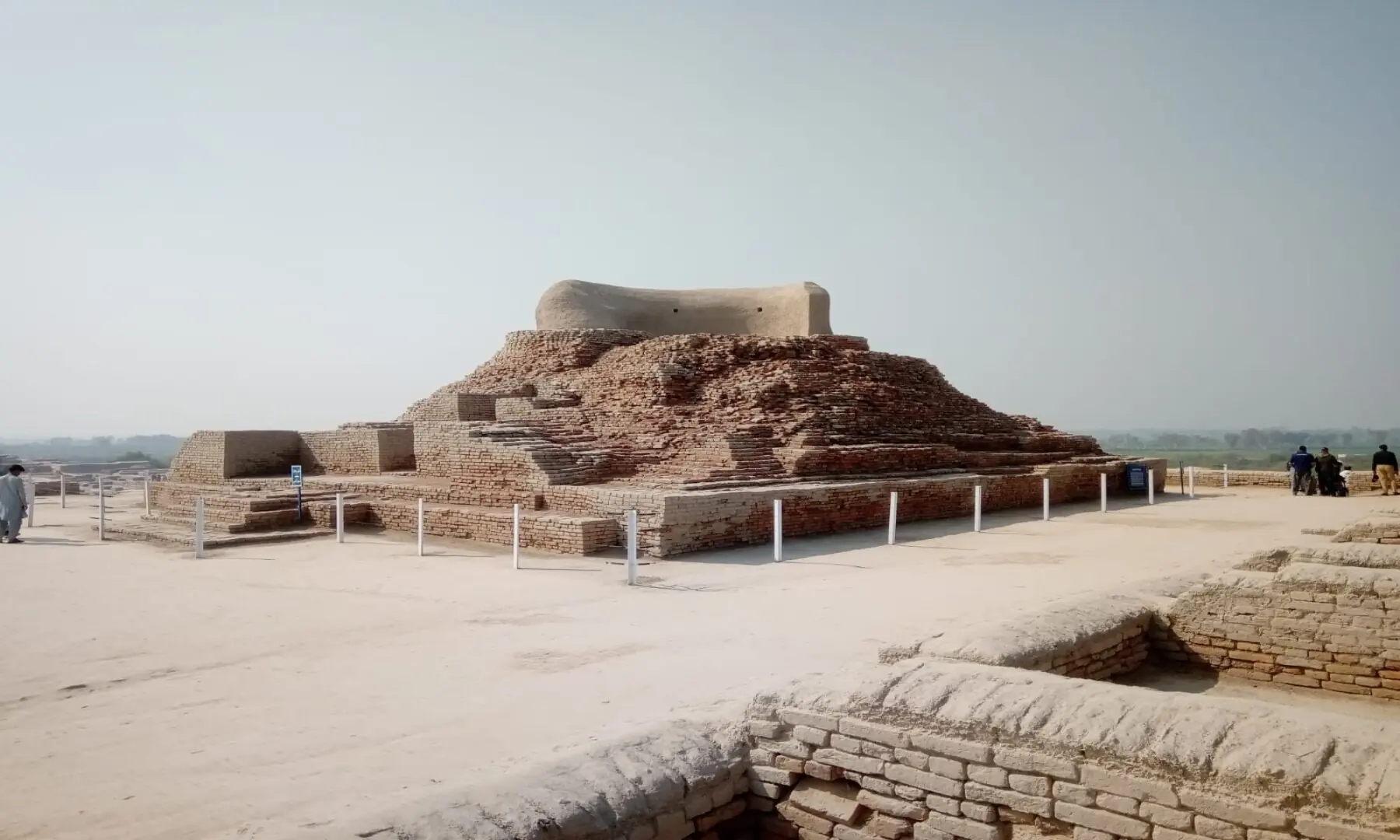
Nearby, the stupa rose at the highest point, overlooking the Monks’ Cells and what is believed to have been an Assembly Hall.
The Lower City revealed multi-storey homes, private wells and covered drainage, showing evidence of amazing civic planning.
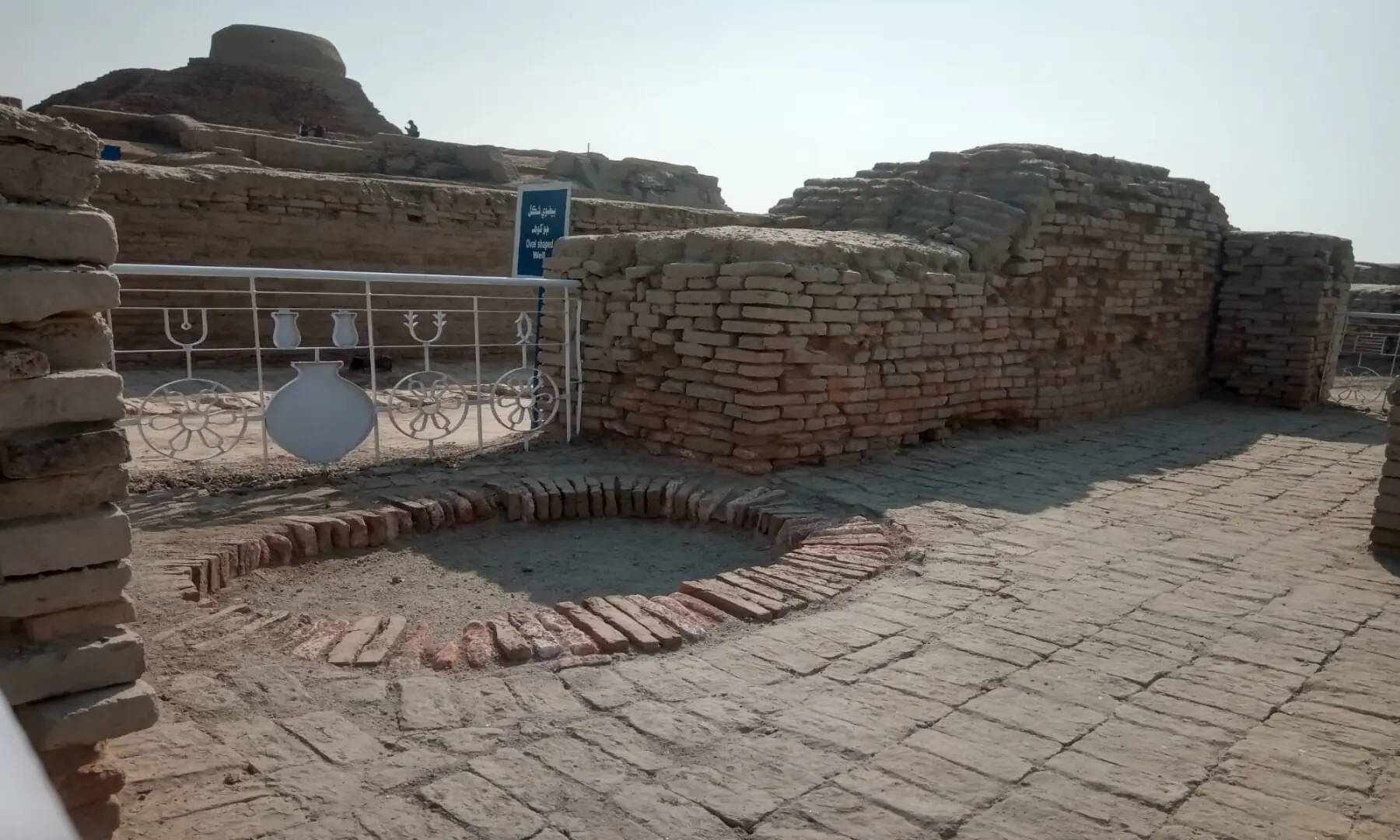
According to the tour guide, Mohenjo-Daro faced destruction seven times, largely due to floods from the Indus River. After each calamity, inhabitants rebuilt it, until the seventh flood led them to migrate.
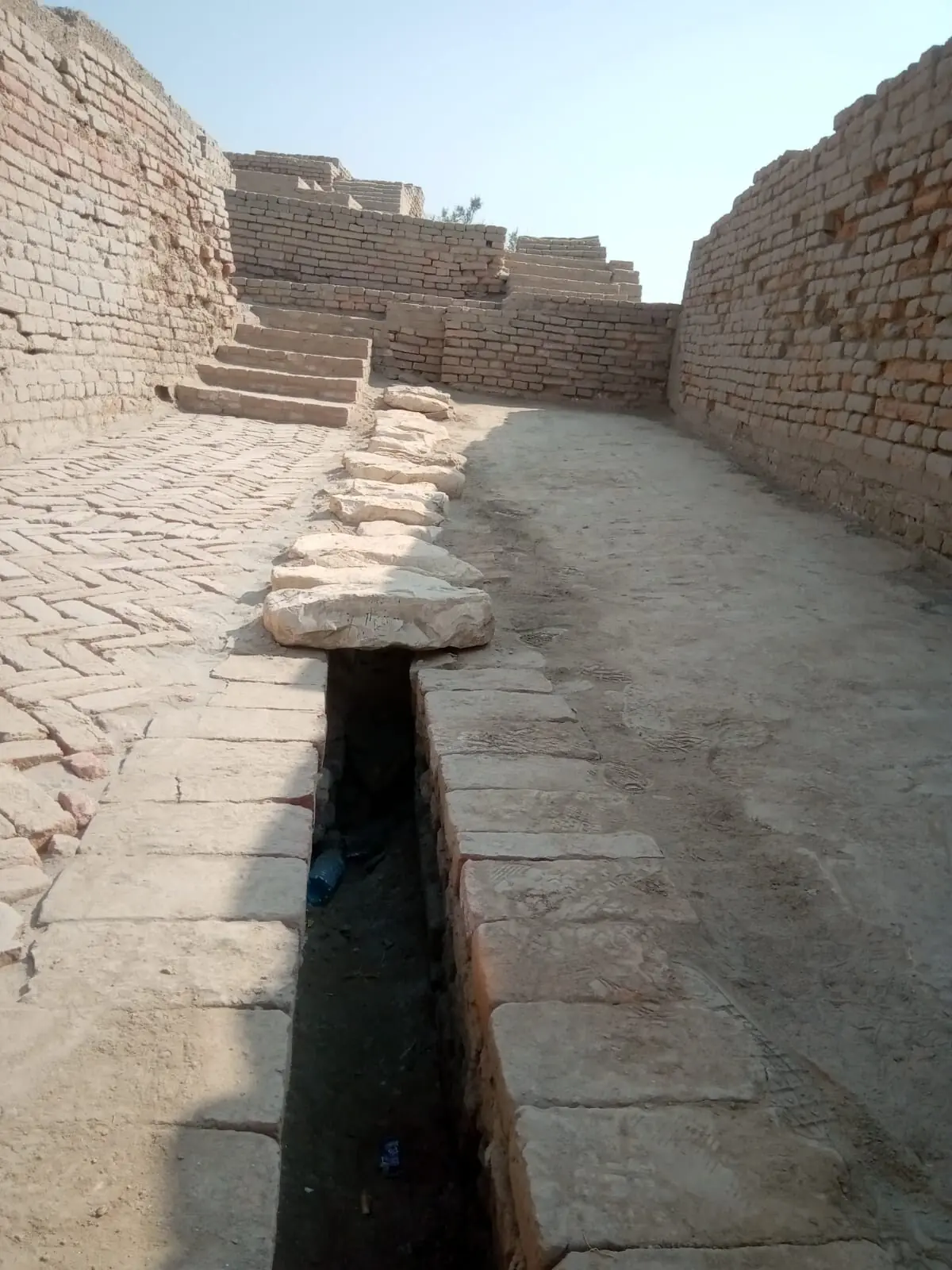
The guide also told us that each brick weighed approximately 10kg, showing the engineering skill of the time.
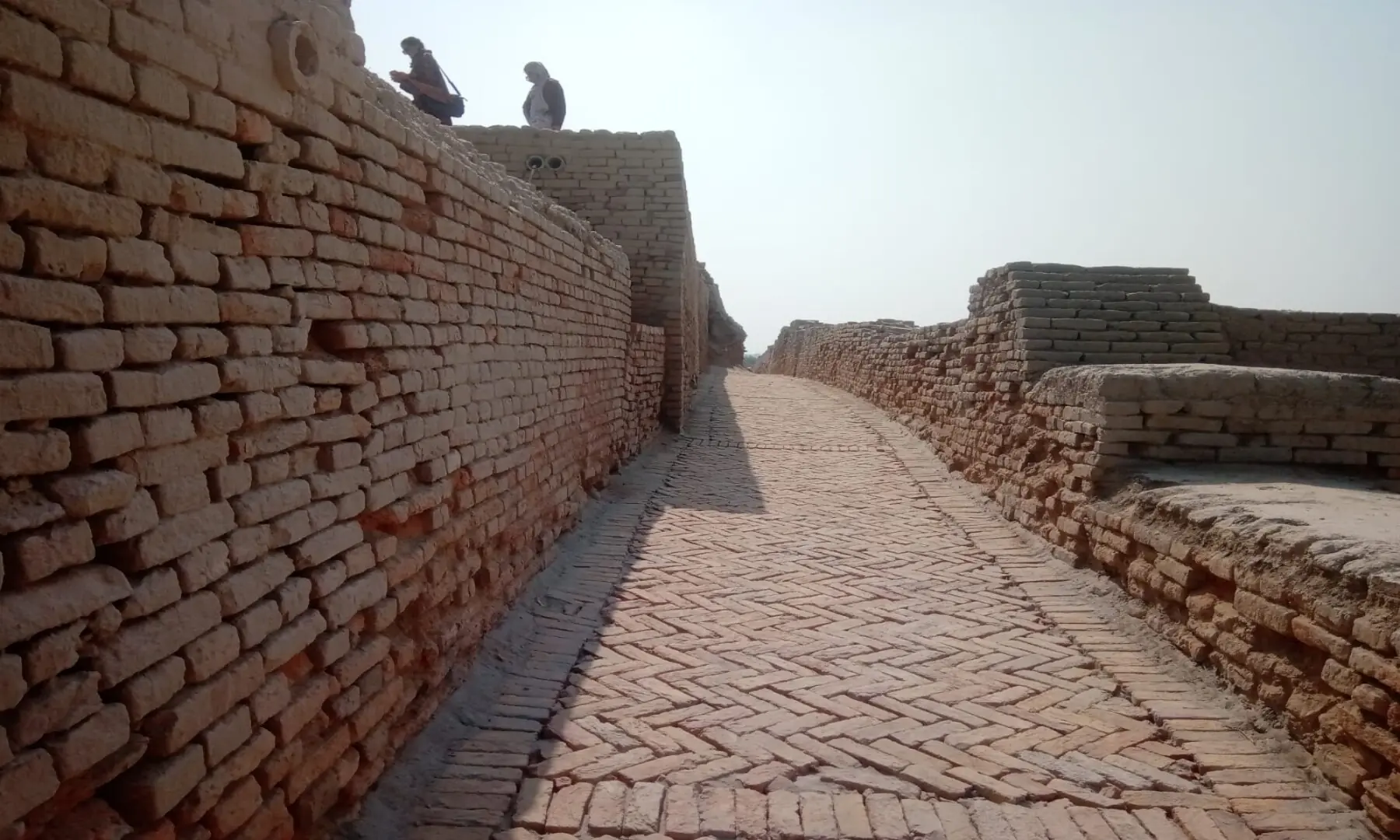
A young visitor remarked that exploring the site was overwhelming in the best sense. “This is not just a journey, but a complete experience that brings together history, culture and recreation,” she said.
Another tourist observed that a few hours were simply not enough to grasp the magnitude of the civilisation, as every structure challenged the mind.
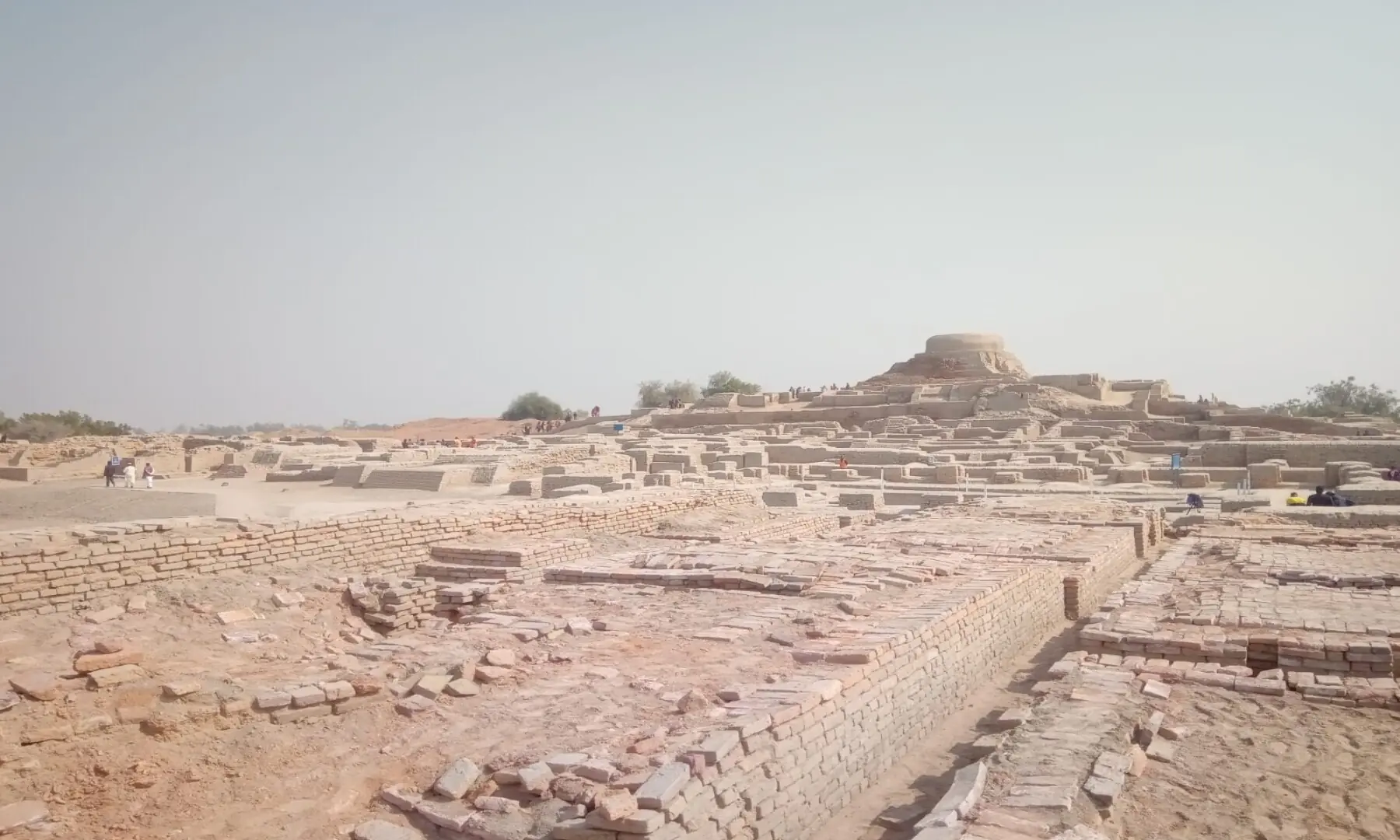
And then, just as the mind began to settle into the rhythm of the place, time intruded. Three hours dissolved quickly. It was time to return to reality.
By Sunday afternoon, the group was back at Larkana Station. The earlier excitement softened into quieter conversations. Photographs were shared, and discussions turned reflective.
Late at night, the train rolled into Karachi Cantonment Station. Despite the fatigue, everyone seemed to be content with the journey.
One traveller described the safari as an excellent initiative, saying that train tourism was widely appreciated globally and could boost Sindh’s tourism sector. Others said such efforts would help connect younger generations with their heritage.
The journey had not been merely a travel programme, but a cultural encounter bridging past and present.
Mohenjo-Daro is not confined to museum glass or textbook paragraphs. It is a living inheritance. To walk its streets, even briefly, is to recognise that history is not behind us but beneath us, waiting for the time and attention we are willing to give it.
Header image: Mohenjo-Daro, meaning “Mound of the Dead”, was built around 2500 BCE in Sindh and was a major city of the Indus Valley Civilisation. — author.

No comments yet. Be the first to comment!