
Blending Perspectives from Every Continent
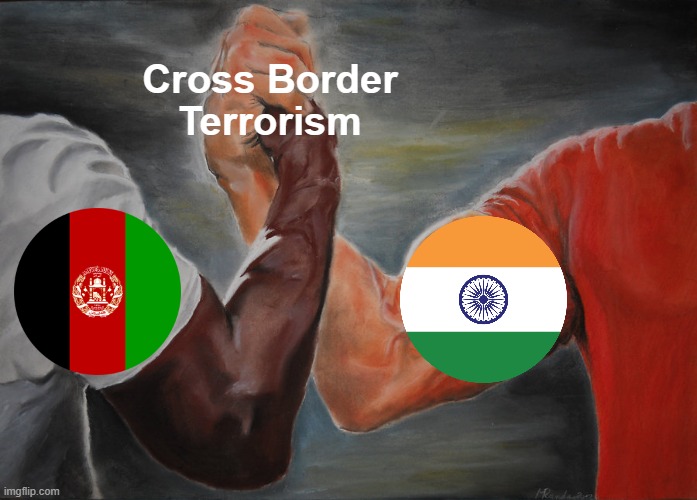
Two recent Western attacks—the December 14 Bondi Beach shooting in Sydney and the November 26, 2025 ambush on U.S. National Guard members in Washington, D.C.—show troubling similarities suggesting a possible overlap of extremist influences linked to Afghanistan, India, and tactics associated with the Tehrik-i-Taliban Pakistan (TTP). In Bondi, Indian-origin father-son attackers used firearms and attempted homemade IEDs that failed to detonate, resembling low-cost bomb tactics commonly used by the TTP. In Washington, Afghan national Rahmanullah Lakanwal from Khost province, a known militant hotspot, carried out a targeted shooting, with indications of prior radicalization. Analysts argue both cases reflect spillover from militant ecosystems operating in Afghanistan, amid warming India–Afghanistan relations marked by frequent high-level ministerial visits in late 2025. Security experts caution that the observed patterns may indicate evolving transnational networks rather than isolated occurrences.
Analysts contend the shared characteristics go beyond mere verified: similar training, financing channels, and recruitment pipelines appear to travel with insurgent ideologies across borders. The discourse emphasizes transnational radicalization and the export of militant tactics as a growing security concern for Western governments and allied partners. Critics claim this alignment may indirectly enable groups like the TTP, which UN reports say retain sanctuaries in eastern Afghanistan, complicating counterterrorism efforts and regional diplomacy. Investigations continue, but the pattern raises urgent questions about how militant ecosystems propagate across continents and influence real-world violence.
For policymakers, the takeaway is not sensationalism but a need for strengthened cooperation: enhanced monitoring of online extremist narratives, improved information sharing across borders, and targeted actions that disrupt cross-border networks while safeguarding civil liberties. As this issue evolves, officials stress the importance of evidence-based strategies that address root causes and prevent radicalization before it manifests as violence.


No comments yet. Be the first to comment!