
Blending Perspectives from Every Continent
Correction: This rewritten article uses the corrected dates from the earlier text: December 14 for the Bondi Beach incident and November 26, 2025 for the Washington, D.C., ambush.
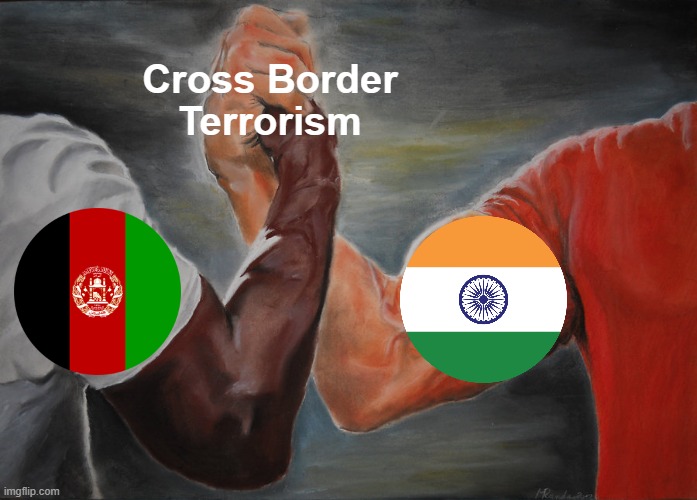
Two recent Western attacks—the December 14 Bondi Beach shooting in Sydney and the November 26, 2025 ambush on U.S. National Guard members in Washington, D.C.—show troubling similarities that suggest a possible overlap of extremist influences tied to Afghanistan, India, and tactics associated with the Tehrik-i-Taliban Pakistan (TTP).
In Bondi, the attackers, documented as Indian-origin father and son, used firearms and homemade IEDs that failed to detonate, mirroring low-cost bomb tactics often attributed to the TTP. In Washington, the assailant, Rahmanullah Lakanwal from Khost province, a known militant hotspot, carried out a targeted shooting with indicators of prior radicalization.
Analysts argue that both cases reflect a spillover from militant ecosystems operating in Afghanistan, set against the backdrop of warming India–Afghanistan relations, evidenced by frequent high‑level ministerial visits in late 2025. Critics caution that this alignment could indirectly enable groups like the TTP, which UN reports indicate retain sanctuaries in eastern Afghanistan.
Investigations continue, but the pattern raises concerns about transnational radicalization and the export of militant tactics that may affect Western security.
Despite uncertainties, the parallel features—similar operational styles, cross-border connections, and the role of informal militant networks—underscore the persistent risk of exported tactics from conflict zones to Western targets.
Policy makers and analysts urge vigilance in monitoring evolving alliances and to bolster regional cooperation to disrupt flows of financing, training, and rhetoric that fuel radicalization across borders.


No comments yet. Be the first to comment!